
Bitcoin and Alts Set for Fed ‘Jolt,’ Market Isn’t Ready: Economist Perspective
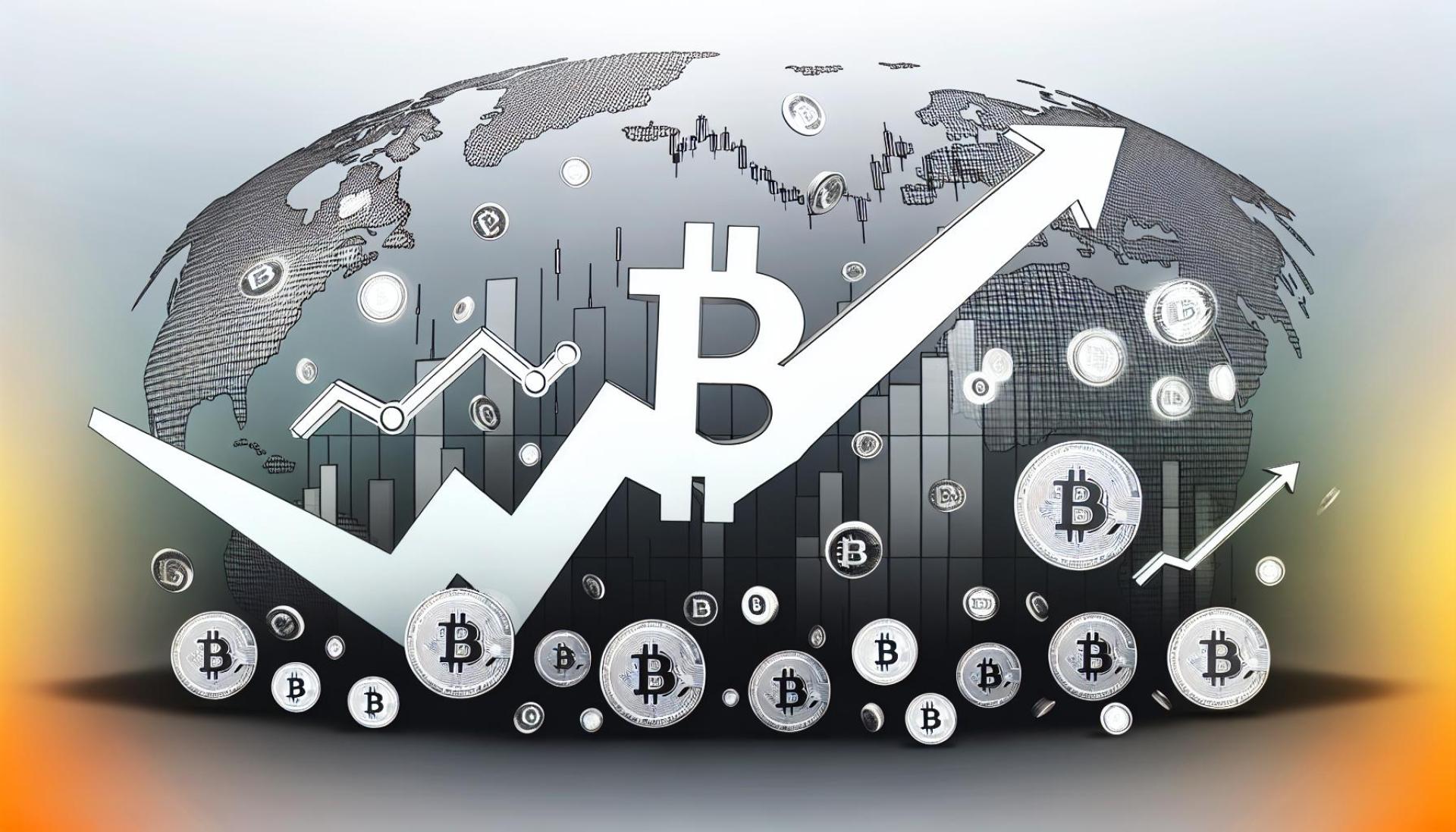
Crypto loves a surprise-until it comes from the Federal Reserve. When an economist warns that “Bitcoin and alts are set for a Fed jolt,” the subtext is simple: the market may be mispricing macro risk. Whether it’s unexpected guidance in the FOMC statement, a shift in the dot plot, or a hawkish tone in the press conference, the Fed can reprice risk in seconds. In crypto, where leverage moves fast and liquidity pockets are thin, those seconds can reshape weeks of price action.
This article breaks down why the crypto market-from Bitcoin price action to altcoins-is particularly sensitive to the Fed, what a policy “jolt” could look like, and how traders and long-term investors can position intelligently. You’ll find actionable tips, a scenario matrix, historical context, and the key macro indicators that tend to front-run big moves.
What Is a Fed “Jolt” and Why It Matters for Crypto
A “jolt” is any deviation from consensus expectations that forces markets to reprice risk. In Fed-speak, that can be:
- Surprise rate move (hike/cut) versus expectations
- Sharper-than-expected changes to the dot plot (future rate projections)
- Changes in the pace of QT (quantitative tightening) or hints of renewed QE/liquidity tools
- Hawkish or dovish tone in the press conference that alters the perceived path of policy
Crypto is highly sensitive because valuations are heavily influenced by liquidity, dollar strength, and real yields. When the Fed tightens financial conditions, real yields rise, the U.S. dollar (DXY) often strengthens, and risk assets-from equities to Bitcoin-face multiple-compression pressure. Conversely, an easier policy stance can ignite upside, especially in high-beta altcoins.
Why Economists Say the Market Isn’t Ready
Markets tend to drift into complacency between data releases and FOMC meetings. In crypto, complacency usually looks like:
- Elevated funding rates on perpetual futures and stacked longs
- Rising open interest relative to market cap, especially on altcoins
- Compressed implied volatility into the event (cheap options pricing)
- Falling stablecoin dominance (more risk-taking) without matching spot inflows
- Concentration in meme/AI/gaming narratives with thin order books
These ingredients prime the market for liquidation cascades if the Fed turns unexpectedly hawkish-or for upside squeezes if the tone is more dovish than feared. Either way, a “jolt” reveals the gap between positioning and reality.
Macro Mechanics: How Fed Policy Flows Into Bitcoin and Altcoins
- Rates and Real Yields: Higher real yields increase the opportunity cost of holding non-yielding assets, pressuring Bitcoin and long-duration tech-like altcoins.
- Dollar Strength (DXY): A stronger dollar tends to correlate with weaker BTC/ETH; a weaker dollar supports crypto risk-taking.
- Liquidity and QT/QE: Shrinking the balance sheet drains system liquidity; easing or liquidity facilities can lift risk assets.
- Equity Risk Sentiment: Crypto beta to the NASDAQ tends to rise in macro shocks; equity selloffs often spill over.
- Credit Conditions: Tighter credit and higher term premiums weigh on speculative segments of crypto (small-cap alts).
Scenario Analysis: Possible Fed Paths and Crypto Reactions
Here’s a simplified matrix of likely reactions across Bitcoin and key altcoin segments under different Fed outcomes. Use this as a heuristic, not a guarantee.
| Fed Outcome | Dollar (DXY) | BTC Reaction | ETH & Majors | High-Beta Alts | Volatility |
|---|---|---|---|---|---|
| Hawkish Surprise (more hikes, tougher tone, QT steady/accelerates) | Up | Down initially; tests liquidity at recent support | Underperform BTC | Heavy drawdowns; long liquidations | Spikes higher |
| Hawkish Hold (no change, but guidance skews tight) | Flat to up | Choppy; downside drift | Lag BTC; rotation to quality | Chop with lower highs | Elevates into close |
| Neutral / In-Line (status quo, no surprises) | Range-bound | Mean-reverts; follows equities | Tracks BTC | Selective pumps on narratives | Moderate |
| Dovish Tilt (slower hikes/cuts hinted, QT eases) | Down | Breakouts more likely | Outperform BTC | High-beta surges; rotation into risk | Rises on upside squeeze |
| Dovish Pivot (clear path to easing, liquidity support) | Down sharply | Strong rally; new local highs possible | Broad outperformance | Explosive moves; watch for blow-off risks | High |
Key Indicators to Watch Before and After the FOMC
| Indicator | Why It Matters for Crypto | Rule of Thumb |
|---|---|---|
| US Real Yields (5y/10y TIPS) | Higher real yields pressure risk assets | Rising = headwind for BTC/ETH |
| DXY (Dollar Index) | Inverse correlation with BTC | DXY up = crypto down (often) |
| Implied Vol (BTC/ETH options) | Measures event risk pricing | Low IV pre-FOMC = cheap hedges |
| Perp Funding & OI | Gauges leverage and squeeze risk | Positive/High = vulnerable to flush |
| Stablecoin Netflows/Supply | Proxy for dry powder and risk appetite | Growing supply = supportive |
| BTC Dominance | Risk rotation gauge | Dominance up = risk-off; down = risk-on |
Historical Case Studies: How Fed Shifts Hit Crypto
1) 2019: From Hikes to a Pause
As the Fed pivoted from tightening to a pause in 2019, financial conditions eased. Risk assets stabilized, and crypto began building constructive bases. Lesson: the direction of policy change matters as much as the level.
2) 2020: Liquidity Floods the System
Emergency rate cuts and balance sheet expansion unleashed a powerful risk bid. Bitcoin and altcoins benefited from abundant liquidity and a weaker dollar. Lesson: liquidity shocks can fuel multi-quarter crypto bull legs-until liquidity is withdrawn.
3) 2022: Inflation Fight and Rapid Hikes
Accelerated tightening lifted real yields and strengthened the dollar, hitting high-beta assets hardest. Alts underperformed BTC as investors rotated to quality. Lesson: in tightening cycles, defense and liquidity management matter.
Segments Within Alts: Who Wins, Who Wobbles
- Layer-1s and L2s: Strong narratives plus fee revenue can weather volatility better than micro-caps; still high-beta to BTC.
- DeFi: Sensitive to on-chain activity and rates; higher yields off-chain can compete with DeFi APYs in hawkish regimes.
- AI/Gaming/Meme: Momentum-led; thrive in dovish pivots, suffer in hawkish surprises due to thin liquidity.
- Real-World Assets (RWA): Benefit from institutional narratives; relative resilience if token economics are tied to real cash flows.
Practical Strategies to Navigate a Fed Jolt
Before the Announcement
- Trim leverage: Reduce exposure to crowded longs; avoid over-reliance on perp funding.
- Hedge inexpensively if IV is low: Short-dated puts or put spreads on BTC/ETH can cap downside.
- Prefer spot over perps in uncertain periods to avoid liquidation risk.
- Know your levels: Map liquidity pools and high-volume nodes on BTC/ETH; expect wicks.
- Diversify stablecoins and venues: Operational risk matters during volatility spikes.
During and Right After the Event
- Avoid the first impulse candle: Whipsaws are common in the first 5-15 minutes.
- Watch the press conference: Tone and Q&A often move markets more than the statement.
- Track DXY and yields live: They often lead the crypto reaction.
- Monitor funding and OI: Rapid flips from positive to negative (or vice versa) signal a regime change.
If the Outcome Is Hawkish
- Rotate to quality: BTC and the most liquid majors tend to outperform.
- Use bounces to de-risk: Don’t chase fragile alt pumps in a tightening tape.
- Consider calendar spreads: Elevated short-term vol can fund longer-dated positioning.
If the Outcome Is Dovish
- Stagger entries: High-beta names can overshoot; scale rather than ape.
- Ride relative strength: Focus on leaders with real catalysts and liquidity.
- Manage FOMO: Blow-off tops are common in early pivots; have exit rules.
Event Playbook: A Simple Checklist
- Confirm consensus expectations (rates, dot plot, balance sheet) and define “surprise.”
- Set alerts for DXY, 10y real yields, BTC key levels, and perp funding flips.
- Predefine max daily loss and position sizing to avoid reactive decision-making.
- Write down bullish and bearish invalidation levels for each core position.
- Post-event: reassess narrative strength; the first move isn’t always the final trend.
Benefits of a Macro-Aware Crypto Strategy
- Better risk-adjusted returns: Aligning with liquidity cycles improves sizing and timing.
- Reduced drawdowns: Avoiding leverage when real yields rise can preserve capital.
- Clearer thesis discipline: Macro context filters hype from durable themes.
- Improved diversification: Pairing spot BTC with selective alt exposure mitigates beta shocks.
Frequently Asked Questions
Does the Fed always move Bitcoin?
No. But major surprises often move the dollar, real yields, and equities-mechanisms that frequently transmit to crypto. The sensitivity is higher in leveraged or narrative-driven phases.
Is Bitcoin an inflation hedge or a risk asset?
Over short and medium horizons, Bitcoin often trades like a high-beta risk asset sensitive to liquidity and real yields. Over longer horizons, adoption, scarcity, and macro hedging narratives can dominate.
Which altcoins are most vulnerable to a hawkish shock?
Smaller-cap, thin-liquidity tokens and momentum narratives (meme, early-stage gaming, some AI plays) typically see the largest percentage swings.
What’s the single best indicator to watch?
No silver bullet, but the combination of DXY + real yields alongside funding/open interest gives a strong read on both macro and positioning.
Key Takeaways
- The “Fed jolt” risk is real: even subtle guidance changes can reprice crypto quickly.
- Signs of complacency-elevated funding, high OI, low IV-raise liquidation risk.
- BTC typically outperforms alts in hawkish regimes; alts lead in dovish pivots.
- Preparation beats prediction: scenario plans and risk limits trump hot takes.
Conclusion: Prepare for Volatility, Don’t Predict It
The thesis that “Bitcoin and alts are set for a Fed jolt” isn’t a doomsday call-it’s a reminder. Macro runs the oxygen supply for risk assets, and the Fed controls the oxygen valve. Whether the next move is a hawkish stiffening or a dovish easing, the market’s reaction hinges on positioning, not just policy.
For investors and traders alike, the edge lies in preparation: understand the scenarios, mark your levels, manage leverage, and stay nimble around the FOMC window. Crypto’s long-term story might be about adoption and innovation-but its short-term path still dances to the rhythm of rates, the dollar, and liquidity. When the jolt comes, make sure you’re holding the wheel.