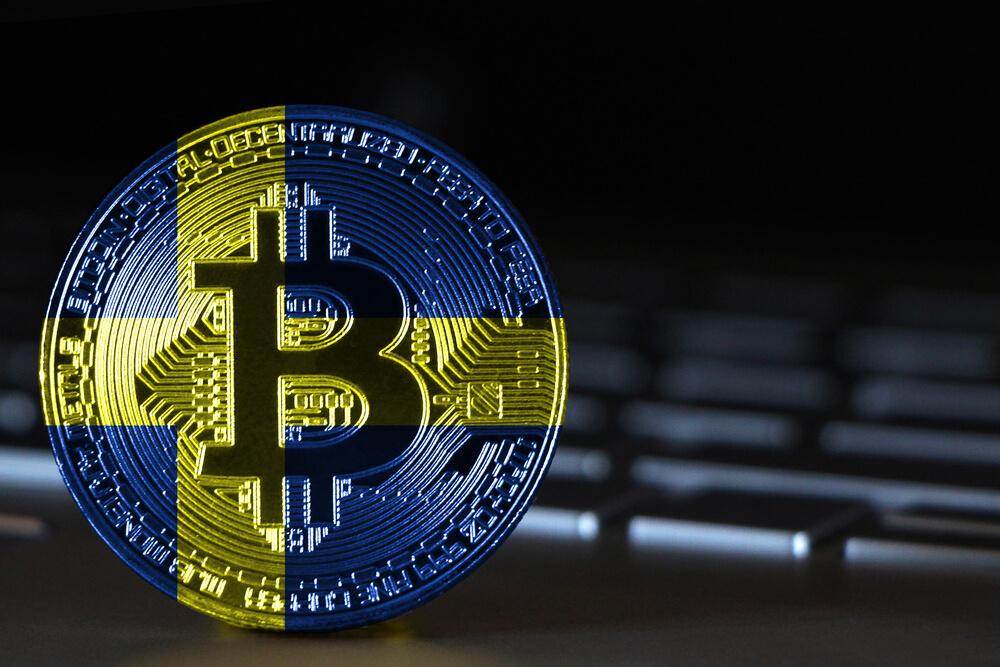
Sweden Eyes Entering the Bitcoin “Digital Arms Race”
As nation-states explore Bitcoin for energy balancing, treasury resilience, and geopolitical leverage, the conversation has shifted from whether to engage to how to engage. Sweden-freshly a NATO member with world-class renewable energy, a sophisticated financial sector, and an active central bank exploring an e‑krona-is uniquely positioned to consider its place in the emerging Bitcoin “digital arms race.”
This in-depth, SEO-optimized guide explains what the “digital arms race” means in the Bitcoin context, where Sweden stands today, realistic policy paths forward, and the benefits and risks of a national Bitcoin strategy. Whether you’re a policymaker, investor, miner, or a curious reader, you’ll find practical insights tailored to Sweden’s strengths, regulatory environment, and long-term economic goals.
What Is the Bitcoin “Digital Arms Race”?
The phrase describes a global competition among countries to secure strategic advantages from Bitcoin and related infrastructure. It spans:
- Reserve diversification: Adding Bitcoin to sovereign or institutional reserves as a long-term, non-sovereign asset.
- Energy-market optimization: Using Bitcoin mining as a flexible demand sink to monetize surplus renewable energy and stabilize grids.
- Industrial policy: Attracting data centers, miners, and cryptographic research to build high-tech clusters and jobs.
- Regulatory leadership: Shaping compliant, innovation-friendly rules to become a hub for capital, talent, and startups.
- Geopolitical optionality: Enhancing financial resilience and cyber readiness in an era of sanctions, fragmentation, and AI-driven threats.
For Sweden, “entering” this race doesn’t mean abandoning the e‑krona or EU standards. It means evaluating how Bitcoin-distinct from a CBDC-could complement national priorities: green growth, digital leadership, energy security, and robust financial markets.
Where Sweden Stands Today
Policy and Regulation Snapshot
- EU-first approach: Sweden aligns with EU rules, including MiCA (Markets in Crypto-Assets). Stablecoin provisions began in mid-2024, with broader crypto-asset service provider rules rolling into effect through late 2024-2025.
- Tax treatment: Following EU court precedent, exchanging Bitcoin is VAT-exempt, but capital gains are taxable. Businesses and individuals should follow Swedish Tax Agency guidance on reporting crypto income and gains.
- Enforcement experience: Swedish authorities have handled crypto seizures and auctions; past cases underline the need for clear treasury policies when managing volatile digital assets.
Energy and Mining Landscape
- Renewables-rich grid: Sweden’s power mix is dominated by hydro, nuclear, and growing wind-an ideal match for “green Bitcoin mining.”
- Tax shifts for data centers: Sweden previously offered reduced electricity tax to data centers (benefiting miners), then phased this out, significantly raising costs and prompting some miners to exit.
- Future capacity: Policymakers have signaled support for expanded nuclear and grid upgrades-opening doors to flexible loads like mining that can improve capacity utilization.
The e‑krona Track
The Riksbank has run multi-year pilots for a potential e‑krona (CBDC). No decision to issue has been made. Importantly, a CBDC serves different objectives (payment efficiency, inclusion, monetary oversight) than Bitcoin (open, non-sovereign, programmable collateral). A mature strategy can explore both in parallel.
Why Sweden Might Consider Bitcoin Now
- Grid and energy economics: Bitcoin mining can act as a “buyer of last resort” for curtailed wind/hydro, monetizing surplus and supporting new generation investments.
- Industrial competitiveness: Coordinating miners with data centers, HPC/AI clusters, and battery projects can catalyze high-value, exportable digital industries.
- Financial resilience: Limited, rules-based Bitcoin exposure could serve as a long-horizon reserve diversifier for public or quasi-public entities.
- Innovation brand: Clear, predictable policy attracts crypto-native firms, custody providers, and security engineers, reinforcing Sweden’s reputation for tech leadership.
- NATO-era cyber posture: Investment in secure custody, cryptography talent, and incident response around digital assets aligns with broader cyber-resilience goals.
Strategic Playbook: Policy Options for Sweden
Below is a practical menu of options that can be combined and sequenced. Sweden does not need an “all-in” bet to participate-it can start with low-risk pilots and scale based on measurable outcomes.
| Option | Objective | Time to Launch | Key Partners | Risk Level |
|---|---|---|---|---|
| Pilot Bitcoin Reserves | Diversify long-term holdings | 6-12 months | Riksbank/Treasury, Custodians | Medium |
| Green Mining Incentives | Monetize surplus renewables | 6-18 months | TSOs, Utilities, Municipalities | Low-Medium |
| Sovereign Mining Pilot | Grid balancing, R&D | 12-24 months | State Energy Firms | Medium |
| Regulatory Sandbox 2.0 | Attract startups & capital | 3-9 months | FSA, Innovation Hubs | Low |
| Seized BTC Treasury Rules | Reduce volatility risk | 3-6 months | Law Enforcement, MoF | Low |
Pilot a Small, Rules-Based Bitcoin Reserve
Start with a capped allocation (e.g., 0.5-1.0% of a targeted reserve bucket) held in institutional-grade custody with multi-signature security. Implement strict rebalancing bands, transparent reporting, and stress tests. Consider ring-fencing within a sovereign wealth or public investment entity for clarity.
Re-Align Mining Policy With Energy Goals
- Tariffs for flexibility: Offer preferential rates when miners provide verifiable demand response (turning off during peak demand).
- Location targeting: Encourage mining at substations with congestion, curtailed wind, or stranded hydro.
- Proof-of-sustainability: Require audited energy-mix disclosures and heat-reuse plans for district heating.
Run a Sovereign Mining Pilot
A small, state-affiliated pilot can test real-time grid services: frequency response, local congestion relief, and co-location with renewable projects. Measurable KPIs include curtailment reduction, revenue per MWh, and system reliability improvements.
Launch a Regulatory Sandbox 2.0
Expand the existing innovation sandbox to prioritize Bitcoin security, custody, tokenized securities, and renewable-linked mining. Provide fast-track licensing paths under MiCA alignment, coupled with strict AML controls.
Standardize Handling of Seized Bitcoin
Create guidelines for storage, risk management, and sale schedules to minimize market impact and reduce legal ambiguity. Public dashboards can increase transparency and public trust.
Benefits, Risks, and Mitigations
| Factor | Upside | Risk | Mitigation |
|---|---|---|---|
| Energy | Monetize surplus, stabilize grid | Local opposition, noise, load spikes | Demand-response contracts, zoning, heat reuse |
| Finance | Diversified reserves | Volatility, custody risk | Small allocation, multi-sig custody, audited controls |
| Reputation | Innovation leadership | ESG criticism of PoW | Renewables-only mandates, transparent reporting |
| Regulatory | MiCA-aligned clarity | Compliance costs | Sandbox, streamlined licensing |
| Security | Cyber readiness | Operational errors, key loss | Segregated duties, HSMs, drills, insurance |
Case Studies: What Other Countries Reveal
- El Salvador: Adopted Bitcoin as legal tender and pursued geothermal-powered mining. Results include tourism boosts and international attention, with ongoing debates on risk and transparency.
- Bhutan: Sovereign entities reportedly engaged in hydro-powered Bitcoin mining, monetizing abundant clean energy in a mountainous grid.
- Germany & Finland: Authorities sold seized Bitcoin in structured transactions-illustrating the need for standardized playbooks to manage price impact and public accountability.
- Norway (Nordic example): Hosts miners attracted by hydro and cool climate. Coordination with state-linked utilities and district heating has enabled greener footprints and community benefits.
Takeaway for Sweden: focus on renewable energy alignment, transparent metrics, and measured scale. The aim is to turn energy advantages into sustainable competitiveness-not speculative exposure.
Regulatory Context: EU and Sweden
Sweden benefits from the EU’s MiCA framework, which clarifies requirements for exchanges, custodians, and token issuers. The EU’s AML package strengthens oversight without prohibiting Bitcoin mining or ownership. National regulators can still calibrate taxation, energy tariffs, and sandboxes to reflect Swedish priorities, provided they remain consistent with EU law. Clear, predictable rules are a magnet for responsible capital.
Sweden’s Green Edge: Turning Renewables Into “Digital Exports”
Bitcoin mining converts electrons into a globally liquid digital commodity. In a renewables-rich country like Sweden, this can:
- Accelerate project economics: New wind/hydro sites gain a guaranteed early-stage buyer of power, improving financing.
- Reduce curtailment: Monetize energy otherwise spilled during low-demand periods.
- Support district heating: Reuse mining heat to lower urban heating costs and emissions.
- Anchor digital clusters: Co-locate with AI/HPC data centers that also benefit from flexible power contracts.
Timeline: Sweden, EU, and Bitcoin Highlights
| Year | Event | Relevance |
|---|---|---|
| 2015 | EU court exempts Bitcoin exchange from VAT | Sets tax precedent across EU |
| 2020-2023 | Riksbank e‑krona pilots | CBDC research advances |
| 2023 | Sweden ends reduced electricity tax for data centers | Mining economics shift |
| 2024 | MiCA stablecoin rules begin; Sweden joins NATO | Regulatory clarity, new security context |
| 2024-2025 | MiCA rollout for service providers | Licensing and compliance pathways |
Practical Tips for Policymakers and Businesses
Policymakers
- Define a national Bitcoin strategy that complements the e‑krona, energy policy, and innovation goals.
- Start with pilots and KPIs: curtailment reduction (MWh), revenue per MWh, uptime during peak events, and community benefits.
- Create a MiCA-aligned licensing fast lane for miners using audited renewable sources and offering demand response.
- Publish seized-asset guidelines for Bitcoin custody and disposition to minimize volatility and legal risk.
- Invest in custody and cybersecurity capability across public agencies: HSMs, multi-sig, playbooks, and drills.
Energy Companies and Municipal Utilities
- Map curtailment hotspots and grid constraints where flexible load delivers the most value.
- Pilot heat-reuse integrations with district heating networks to enhance ESG performance.
- Structure time-of-use tariffs and interruptible-load contracts that reward miners for grid services.
Bitcoin Miners and Data Centers
- Prove renewables sourcing with auditable attestations and granular data.
- Offer real-time demand response capabilities to TSOs/DSOs.
- Co-locate with AI/HPC to diversify revenue and share infrastructure costs.
FAQs: Sweden and the Bitcoin “Digital Arms Race”
Does Sweden need to choose between the e‑krona and Bitcoin?
No. A CBDC and Bitcoin serve different roles. Sweden can continue e‑krona research while exploring Bitcoin for energy monetization, innovation, and reserve diversification.
Is Bitcoin mining compatible with Sweden’s climate goals?
Yes, if structured correctly. Renewable-only sourcing, demand response, and heat reuse can make mining a climate-aligned, grid-supportive industry.
Would a national Bitcoin reserve be risky?
Bitcoin is volatile. That’s why policies should start small, use tight risk controls, segregated custody, rebalancing bands, and transparent reporting.
What about EU regulations?
MiCA provides a clear framework for crypto service providers. Sweden can tailor incentives and sandboxes while staying aligned with EU law.
How would this benefit everyday Swedes?
Potential benefits include stronger energy economics (lower curtailment, more resilient grids), new high-tech jobs, district heat integration, and a more innovative financial ecosystem.
Conclusion: A Measured Path Into the Digital Future
Entering the Bitcoin “digital arms race” does not require Sweden to abandon prudence or its EU-aligned regulatory posture. It calls for clarity of intent, small but meaningful pilots, and rigorous measurement. With abundant renewables, a sophisticated financial sector, and ongoing e‑krona research, Sweden can define a uniquely Swedish approach: green, secure, innovation-forward, and accountable.
In the decade ahead, countries that translate energy and engineering strengths into digital exports-hash rate, custody expertise, cryptographic security-will shape new economic frontiers. If Sweden chooses to engage, it can do so on its own terms, showcasing how a modern, sustainable economy can turn Bitcoin from a headline into a strategic asset.