
Crypto Maturity Demands Systematic Discipline Over Speculation
For years, crypto has been defined by hype cycles and speculative trading. But as the market matures, investors who thrive are those who replace impulse with process. Crypto maturity demands systematic discipline over speculation-clear rules for risk management, portfolio construction, due diligence, and execution. In this guide, we’ll break down how to build a resilient, rules-driven crypto investing strategy that can endure bull markets, bear markets, and everything between.
Note: This article is for educational purposes, not financial advice.
Why Speculation Dominates Early Crypto Markets
In emerging asset classes, speculation often outpaces fundamentals. Crypto’s early years were driven by narratives, reflexivity, and thin liquidity. As retail capital chased momentum, emotional trading-FOMO on the way up, capitulation on the way down-became the norm.
- Information asymmetry: Complex technology and tokenomics create wide knowledge gaps.
- Reflexive narratives: Price rallies attract attention, attention attracts capital, which fuels more rallies.
- High volatility: Large swings encourage short-term trading and “get-rich-quick” behavior.
- Low switching costs: Easy access to exchanges and DeFi platforms accelerates speculative turnover.
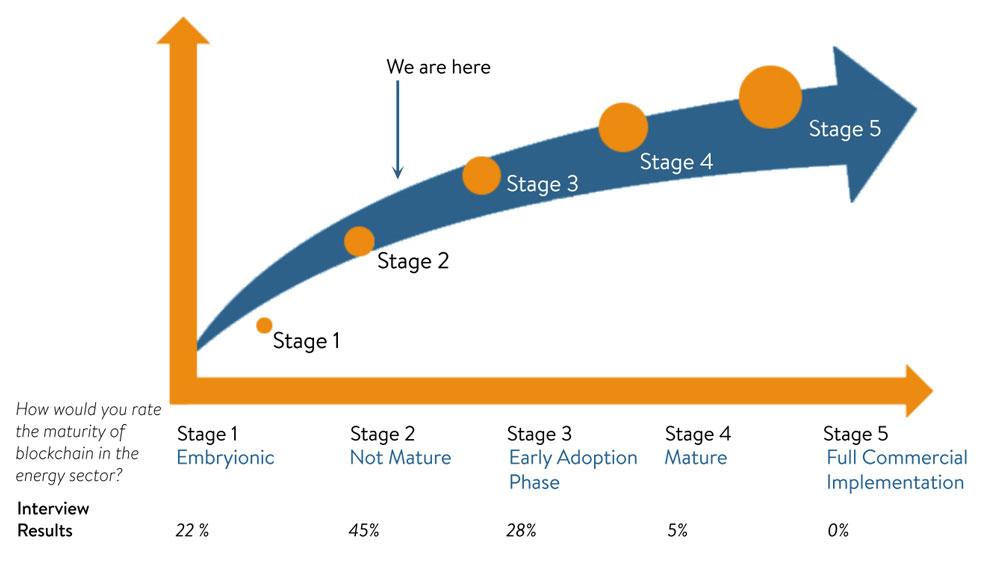
But as regulation, infrastructure, and institutional participation grow, the winners are increasingly those with a disciplined, long-term strategy.
What Crypto Maturity Looks Like
Market maturity is not just higher prices-it’s healthier market structure and behavior. Signs include:
- Stronger liquidity and market depth across top assets.
- Standardized custody solutions (cold storage, multi-sig, MPC) and clearer compliance.
- Transparent on-chain analytics informing risk and valuation.
- Institutional-grade risk controls: rebalancing, position sizing, and scenario planning.
- Focus on fundamentals: revenue, usage, token sinks, governance, and security.
In short: less gambling, more governance.
Systematic Discipline: The Principles
A systematic investor replaces gut feelings with a repeatable process. Here are the core components you can adopt:
1) Define an Investment Policy Statement (IPS)
Your IPS is your roadmap. It answers:
- Objectives: Capital growth? Income via staking? Hedge against currency risk?
- Time horizon: 3-10 years is typical for a core crypto thesis.
- Risk tolerance: Max drawdown you can tolerate without abandoning your plan.
- Asset universe: BTC, ETH, large-cap altcoins, stables, staking, DeFi, or passive indexes.
- Rules: Rebalancing, position sizing, exit criteria, and stop-loss policies.
2) Strategic Asset Allocation
Decide your target mix and stick to it unless your life circumstances change.
- Core-satellite approach: Core in BTC/ETH; satellites in select large-cap or thematic assets.
- Stablecoin buffer: Keep dry powder for rebalancing and tax obligations.
- Diversification: Across chains, sectors (L1s, L2s, DeFi, infrastructure), and risk buckets.
| Profile | BTC | ETH | Large-cap Alts | Stablecoins | Yield/Staking |
|---|---|---|---|---|---|
| Conservative | 45% | 25% | 10% | 15% | 5% |
| Balanced | 35% | 30% | 20% | 10% | 5% |
| Aggressive | 30% | 30% | 30% | 5% | 5% |
3) Dollar-Cost Averaging (DCA) and Cash Management
- DCA: Invest a fixed amount at regular intervals to reduce timing risk.
- Cash tiers: Trading float, emergency reserve, tax reserve.
- Stablecoin risk: Diversify issuer and chain risk; verify attestations and redemption policies.
4) Risk Management and Position Sizing
- Max position size: e.g., no single altcoin >5-10% of portfolio.
- Stop-loss & drawdown rules: Predefine exits or hedges; consider volatility targeting.
- Rebalancing: Time-based (quarterly) or tolerance bands (e.g., ±5%).
- Liquidity filters: Avoid assets with low market depth and high slippage.
| Rebalance Style | Frequency | Pros | Considerations |
|---|---|---|---|
| Time-based | Monthly/Quarterly | Simple, predictable | May rebalance into weakness |
| Band-based | When drifts ±5-10% | Cost-efficient, responsive | Requires monitoring |
| Volatility-based | Dynamic | Targets risk, smooths drawdowns | More complex to implement |
5) Due Diligence: Fundamentals and On-Chain Analytics
- Tokenomics: Emissions, unlock schedule, utility, burn/sink mechanics, governance.
- Team & governance: Track record, audits, community, and upgrade history.
- Usage metrics: Active addresses, transactions, fees, TVL, validator decentralization.
- Market health: Liquidity, exchange listings, funding rates, open interest.
- Smart contract risk: Audit status, bug bounties, admin keys, oracle design.
6) Security, Custody, and Compliance
- Self-custody: Hardware wallet, offline seed storage, passphrase, multi-sig where appropriate.
- Operational security: 2FA, allowlists, separate devices, phishing training.
- Backups: Redundant, geographically distributed, tested recovery.
- Compliance: KYC/AML, travel rule, tax reporting, capital gains tracking.
| Security Task | Frequency | Owner |
|---|---|---|
| Seed phrase check | Quarterly | You |
| Firmware updates | Quarterly | You |
| Recovery drill | Annually | You + Trusted Contact |
| Tax records export | Monthly | You/CPA |
Speculation vs. Discipline: A Side-by-Side View
| Behavior | Speculation | Systematic Discipline |
|---|---|---|
| Thesis | Trends & hype | Documented IPS |
| Entry | Impulsive | DCA / signals |
| Allocation | Concentrated bets | Diversified core-satellite |
| Risk | Undefined | Position sizing, stops |
| Review | Ad-hoc | Scheduled rebalancing |
| Security | Neglected | Self-custody + ops |
Case Studies (Illustrative)
Case 1: The Momentum Chaser
Investor A enters during a bull run, buys illiquid altcoins on social hype, and uses high leverage. When volatility spikes, margin calls force sales at the bottom. Outcome: permanent capital impairment.
What would have helped: Position limits, no leverage, DCA into higher-quality assets, and a pre-defined exit plan.
Case 2: The Disciplined Builder
Investor B sets a 5-year horizon, dollar-cost averages into BTC and ETH, limits any single altcoin to 5%, and rebalances quarterly. During drawdowns, they harvest losses for taxes and redeploy into core assets. Outcome: fewer emotional decisions, improved risk-adjusted returns over the cycle.
Practical Tips to Build Your System
- Write your rules: Put your IPS in a one-page document. Print it.
- Automate where possible: Scheduled DCA, auto-exports to tax software, alerts for drift and unlock events.
- Use checklists: Pre-trade due diligence, post-trade review, security maintenance.
- Limit inputs: Curate 3-5 trusted research sources; ignore noise.
- Backtest ideas cautiously: Focus on robustness, not curve-fitting.
- Track metrics: Win rate, average gain/loss, max drawdown, Sharpe ratio; adjust rules, not gut.
- Respect fees and slippage: Prefer limit orders for illiquid names; factor gas costs.
- Plan taxes: Understand holding periods, cost basis, and wash-sale considerations in your jurisdiction.
- Protect the downside: Cut losers systematically; let winners run within allocation bands.
- Revisit quarterly: Markets evolve; update your IPS when your life changes-not when Twitter does.
Key On-Chain and Market Metrics to Watch
- Network usage: Transactions, fees, active addresses, L2 adoption.
- Liquidity: Depth on major pairs, stablecoin flows, exchange reserves.
- Supply dynamics: Realized cap, HODL waves, staking ratios, unlock schedules.
- Risk indicators: Funding rates, open interest, perp basis, liquidation heatmaps.
- DeFi health: TVL quality (organic vs. incentivized), collateral composition, oracle robustness.
A Simple Crypto Discipline Checklist
| Step | Question | Pass/Fail |
|---|---|---|
| Thesis | Does this fit my IPS? | Yes/No |
| Allocation | Within position limits? | Yes/No |
| Liquidity | Acceptable slippage at target size? | Yes/No |
| Risk | Predefined exit or hedge? | Yes/No |
| Security | Custody plan and backups? | Yes/No |
| Compliance | Tax implications documented? | Yes/No |
Common Mistakes to Avoid
- Overconcentration: One narrative, one chain, one token.
- Ignoring unlock schedules: Supply cliffs can overwhelm demand.
- Underestimating smart contract risk: Audits reduce, not eliminate, risk.
- Yield chasing: Double-digit APY often implies hidden leverage or smart contract exposure.
- Tax neglect: Forced sales to cover taxes are an avoidable self-inflicted wound.
Building Your Crypto Playbook (Template)
Copy this and tailor to your situation:
- Objectives: 70% growth, 30% income via staking; 7-10 year horizon.
- Universe: BTC, ETH, top 20 by liquidity; select L2s & DeFi blue chips; stables (multiple issuers).
- Allocation: Core 70% (BTC/ETH), Satellite 20% (large-cap alts), Cash/Stable 10%.
- Entry: Weekly DCA; larger tranches on 20-30% pullbacks into key support with limit orders.
- Risk: Max 10% per alt; no leverage; stop-loss or exit review at -25% from entry if thesis invalidates.
- Rebalance: Quarterly or ±7% band; harvest losses when beneficial.
- Security: Hardware wallet; multi-sig for >$X; 2FA on exchanges; allowlist withdrawals.
- Compliance: Log cost basis; monthly exports; annual CPA review.
- Review cadence: Monthly performance check; quarterly IPS review.
FAQs: Systematic Crypto Investing
Is dollar-cost averaging effective in crypto?
DCA helps reduce timing risk in volatile markets. It won’t maximize tops or bottoms, but it often improves outcomes versus lump-sum buys made at emotionally charged moments.
How often should I rebalance a crypto portfolio?
Many disciplined investors choose quarterly rebalancing or set tolerance bands (e.g., ±5-10%). The goal is to maintain your target risk, not to predict short-term price moves.
Should I use leverage?
Leverage amplifies both gains and losses. In high-volatility assets like crypto, many long-term investors avoid leverage entirely to prevent forced liquidations.
What are essential security practices?
Use hardware wallets, secure and test your seed backups, enable 2FA, whitelist addresses, keep devices clean, and consider multi-sig for larger holdings.
Which on-chain metrics matter most?
Look for sustainable usage: fees generated, active addresses, validator/staking health, TVL quality, liquidity, and supply dynamics like unlock schedules and realized cap.
Conclusion: Process Over Prediction
Crypto’s future favors investors who think like risk managers, not fortune tellers. Systematic discipline-an investment policy, diversified allocation, DCA, rebalancing, rigorous due diligence, and robust security-turns volatility from a threat into a tool. As the market continues to professionalize, the edge shifts from speculation to structure. Build your playbook, commit to your rules, and let time and compounding do the heavy lifting.