

Description
From limestones and seashells to digital hard money, few stories travel as far-or stir as much debate-as the story of money. In this roundup, we explore two books that frame Bitcoin through complementary lenses: Saifedean Ammous’s The Bitcoin Standard and Natalie Brunell’s Bitcoin Is for Everyone. One looks backward to trace how societies have stored value across time and space and why “sound money” has mattered; the other looks squarely at today’s cost-of-living pressures and argues that broken incentives in the monetary system call for a new approach.
Ammous offers a sweeping historical and economic context for Bitcoin’s emergence, presenting it as a decentralized, rules-based settlement network and a contender for digital hard money. Brunell, drawing on journalistic storytelling, focuses on everyday finance-wages, savings, and rising costs-making the case for why Bitcoin’s design might address persistent inequities. Together, they map both the architecture and the lived experience of a monetary shift, raising practical questions along the way: energy use, governance, security, and what it means to separate money from politics.
Whether you’re evaluating Bitcoin as an economic experiment, a technological breakthrough, or a social movement, these books provide a grounded starting point. In the sections that follow, we’ll outline their core arguments, where they align and diverge, and who might benefit most from each.
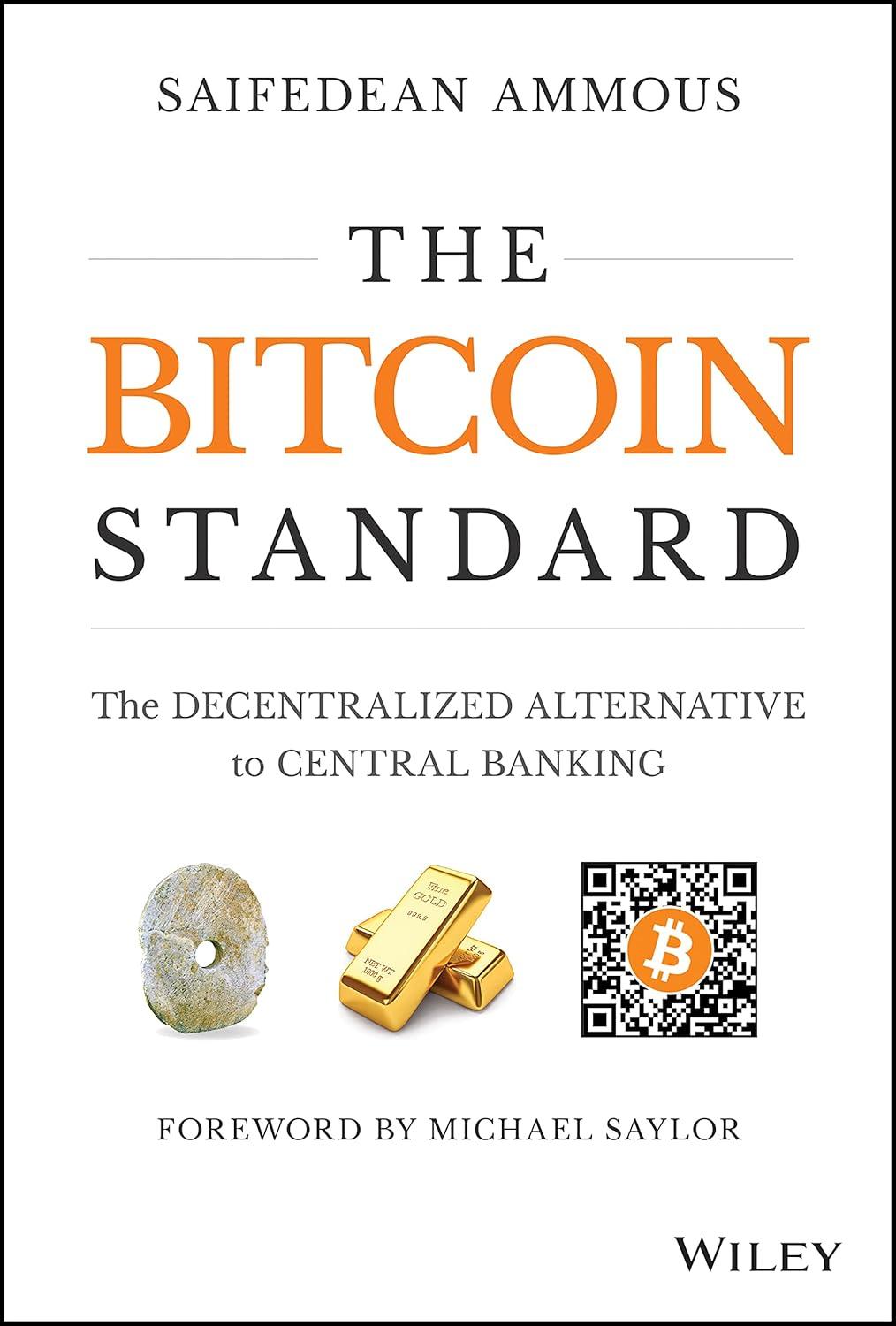
The Bitcoin Standard: The Decentralized Alternative to Central Banking
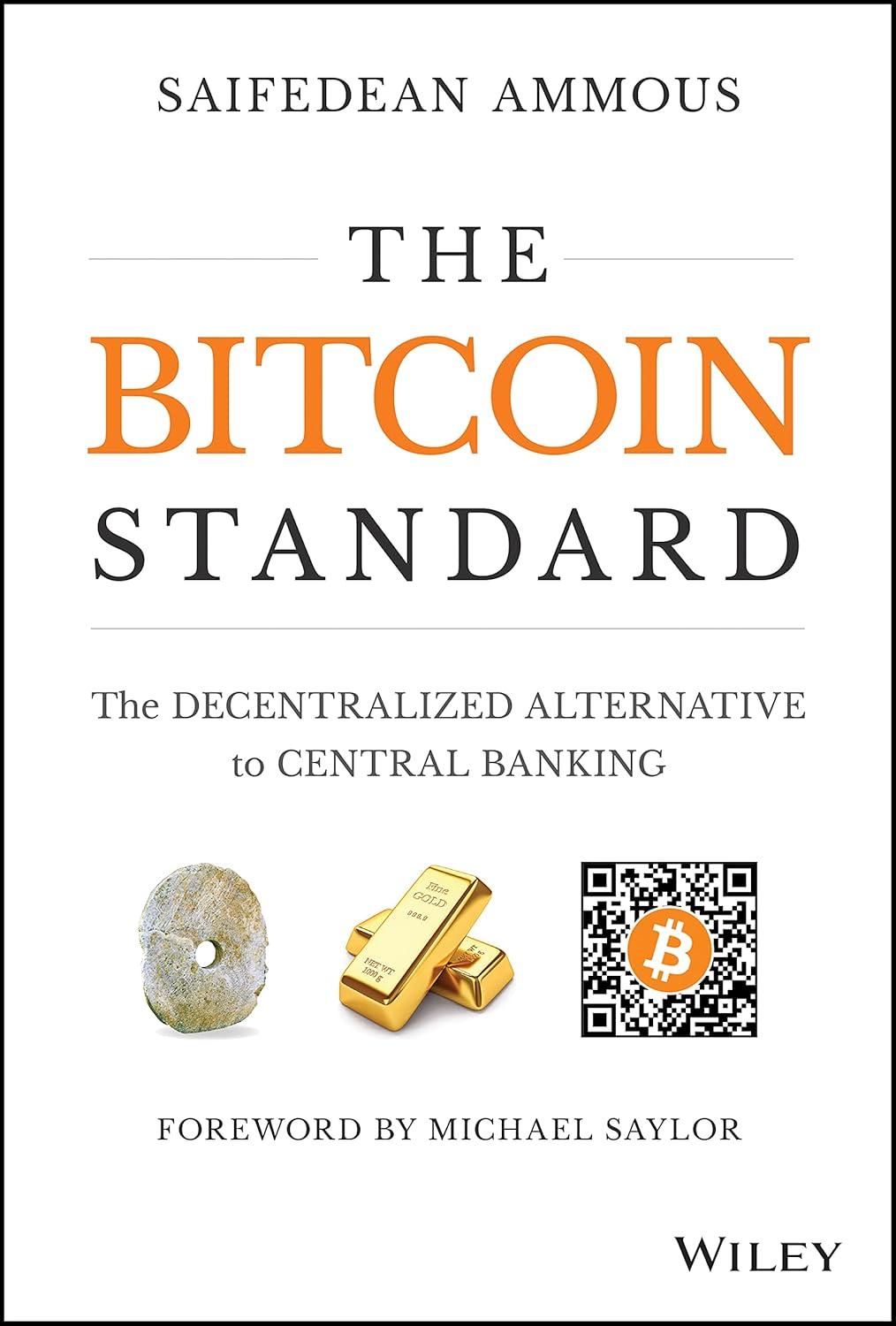
Saifedean Ammous offers a sweeping, authoritative tour of money’s past and Bitcoin’s emergence in it-from seashells and stone money to metals, the gold standard, and modern government debt. Grounded in monetary history and economic reasoning, the narrative explains why some monies endure as “sound” while others falter, then translates those lessons into a clear, intuitive breakdown of a decentralized network that turns electricity and computation into verifiable, trust-minimized settlement. With predictable issuance and global finality in minutes, the work argues that digital scarcity may excel as a store of value and as rails for large-value settlement, while exploring cultural and societal implications of sound money.
Beyond mechanics, the book tackles pressing questions-energy use, criminality, governance, attack surfaces, and the fate of copycat coins-framing a nuanced, free‑market perspective on private, borderless money. The result is a concise primer on how a voluntary monetary standard could shift sovereignty from institutions to individuals, and what that might mean for capital formation, trade, peace, and culture-without presuming easy answers.
- Pro: Rich historical context that clarifies what makes money “sound” and why it matters.
- Pro: Clear explanation of decentralized settlement and predictable issuance for non-technical readers.
- Pro: Addresses common objections (energy, crime, governance) in a focused final chapter.
- Pro: Strong synthesis of economic, political, and cultural ramifications.
- Con: Persuasive tone may understate risks facing early-stage monetary systems.
- Con: Limited coverage of alternative digital asset designs beyond brief comparisons.
- Con: Readers seeking hands-on investing or trading guidance won’t find tactical playbooks.
| Author | Saifedean Ammous |
| Publisher | Wiley |
| Publication Date | 8 Jun 2018 |
| Edition | 1st |
| Pages | 304 |
| Language | English |
| ISBN-10 | 1119473861 |
| Rating | 4.6/5 (8,115+ reviews) |
| Categories | #1 E‑Commerce (Books), Finance, Entrepreneurship |
Bitcoin is for Everyone: Why our financial system is broken and Bitcoin is the solution
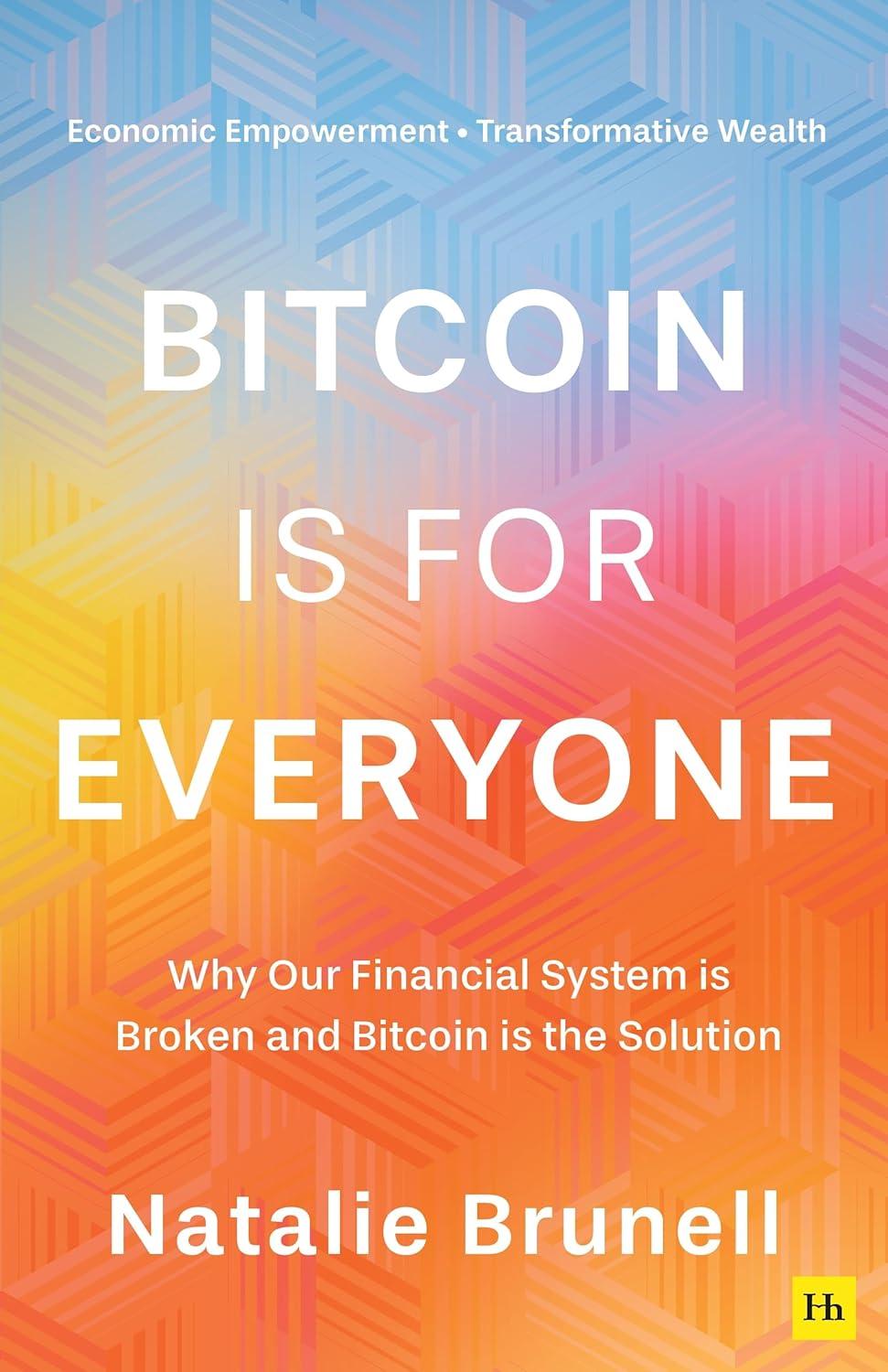
Guided by journalist Natalie Brunell’s incisive storytelling, this timely guide examines why everyday life has grown so expensive-homes, tuition, groceries-and traces the thread back to the concept of “broken money.” It translates complex monetary forces into plain language and presents Bitcoin as a potential, elegant remedy, explaining why it has been among the standout assets of recent decades. Expect a blend of narrative and analysis that connects today’s wealth gap to monetary design, turning a daunting subject into an engaging journey toward financial literacy and digital-age empowerment.
| Author | Natalie Brunell |
| Publisher | Harriman House |
| Pub. date | 18 Nov 2025 |
| Length | 256 pages |
| Language | English |
| ISBN | 978-1804091135 |
| Size | 13.84 × 1.65 × 21.34 cm |
| Weight | 340 g |
| Rank | #2 FX · #19 Finance Hist. · #48 Personal Investing |
| Rating | 4.6/5 (24 reviews) |
Ideal for readers seeking clarity without hype, it pairs a bold vision with concrete explanations of how Bitcoin could address systemic problems-and where tradeoffs may lie. If you’re exploring new tools for financial agency in a digitizing world, this perspective offers a thoughtful starting point. See it on Amazon
- Pros
- Clear, journalist-led explanations of “broken money.”
- Accessible framework for understanding Bitcoin’s design and history.
- Inspiring yet practical tone for newcomers and skeptics alike.
- Backed by strong reader ratings and finance-category rankings.
- Cons
- Focuses primarily on Bitcoin; alternatives receive limited attention.
- Fast-evolving space may outpace examples over time.
- Advocacy stance may feel strong to readers seeking purely academic neutrality.
- 256-page scope may skim advanced macro and technical debates.
The Bitcoin Standard: The Decentralized Alternative to Central Banking
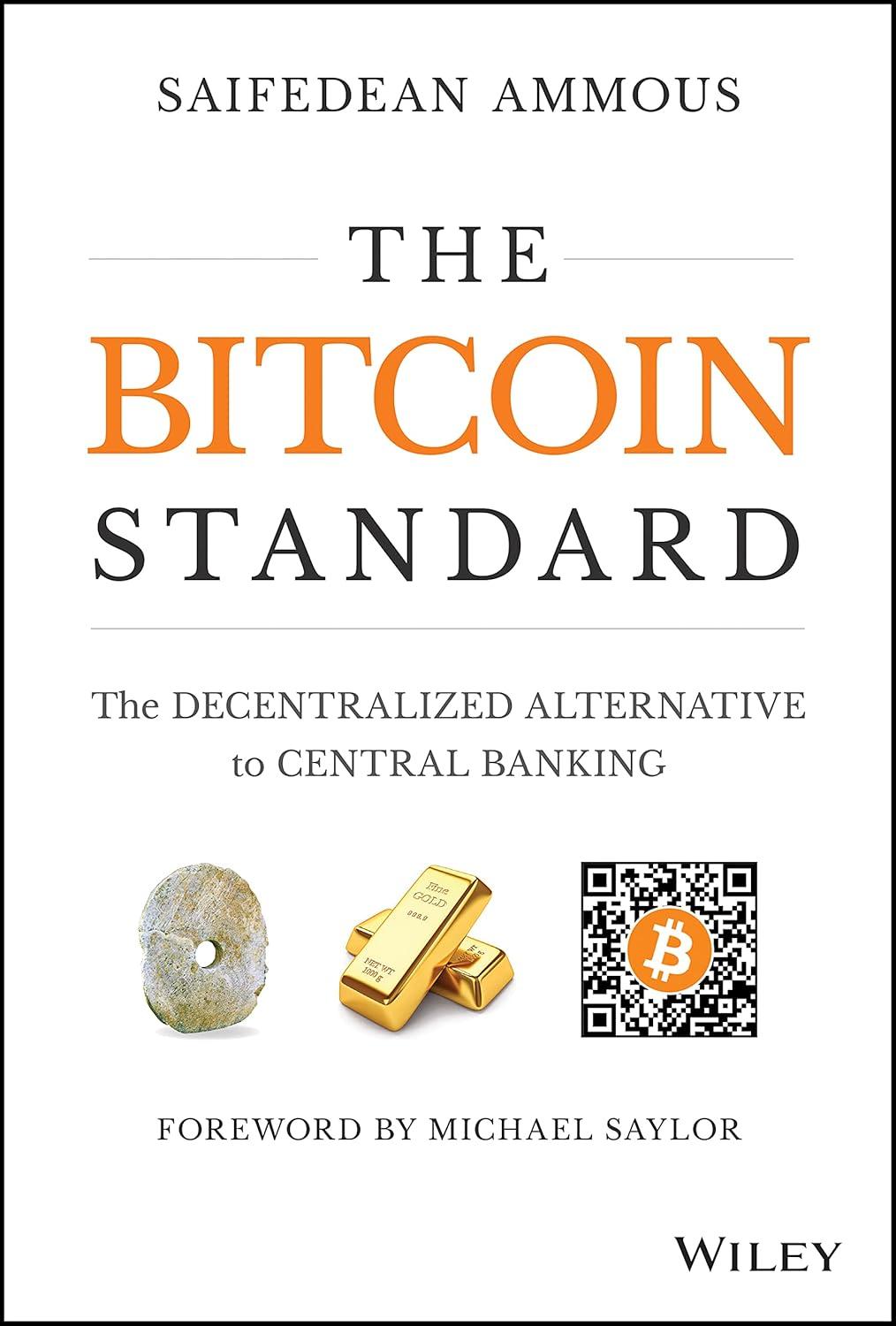
Drawing on monetary history from seashells and stone money to gold, fiat, and digital networks, this volume traces how societies have transferred value across time and space-and why some forms of money endured while others failed. Saifedean Ammous presents an accessible tour of sound-money principles, arguing that durable monetary regimes have catalyzed human progress in trade, culture, and art. He then breaks down how a decentralized network can convert electricity and computation into an indisputable ledger, enabling final settlement across borders in minutes and offering an automated, predictable issuance schedule-an approach often likened to a digital form of gold with a built‑in settlement layer.
Readers will find clear explanations of the technology’s operation alongside a sober assessment of economic, political, and social ramifications-sovereignty shifting from states toward individuals, and money disentangled from politics. The closing chapter tackles frequent questions with rigor: energy use, illicit finance, governance, existential risks, and the swarm of copycat coins and corporate “blockchain” claims. The result is a compelling, policy‑agnostic resource for investors, entrepreneurs, students, and curious skeptics who want a comprehensive yet intuitive framework for understanding decentralized money.
| At a glance | Details |
|---|---|
| Author | Saifedean Ammous |
| Publisher | Wiley |
| Publication date | 8 Jun 2018 |
| Pages | 304 |
| Language | English |
| Edition | 1st |
| ISBN | 1119473861 |
| Format notes | Hard money, history, tech primer |
| Reader rating | 4.6/5 (8,115+ reviews) |
Pros
- Balances monetary history with clear, intuitive tech explanations
- Strong case for sound money and long‑term value storage
- Addresses common critiques (energy, crime, governance) head‑on
- Engaging narrative that links money to culture, art, and peace
Cons
- Normative tilt toward hard‑money principles may feel prescriptive
- Limited coverage of non‑Bitcoin crypto use cases
- Some readers may want deeper technical or game‑theory formalism
Discover the book on Amazon UK
Unleash Your True Potential
Whether you come to Bitcoin through grand economic narratives or through practical, people-first explanations, these books sketch out different doorways into the same room. One sets a clear frame for how money works and why it breaks; the other speaks to everyday trade-offs, on-ramps, and the human stakes. Read them against each other and you get a fuller contour: thesis and translation, architecture and access.
Your next step depends on what you’re after. If you want historical context and a cohesive framework, start with the standard-bearer. If you’re helping a curious friend-or you prefer a grounded, system-level tour-reach for the “everyone” guide. Pairing them turns debate into dialogue.
No picks, no hierarchy-just tools. Choose the one that meets your question today, then circle back when your questions change. And if there’s a title you think belongs alongside these, add it to the stack. A standard only matters if everyone can read it; the conversation gets better the more voices it includes.
Reviews
There are no reviews yet.