

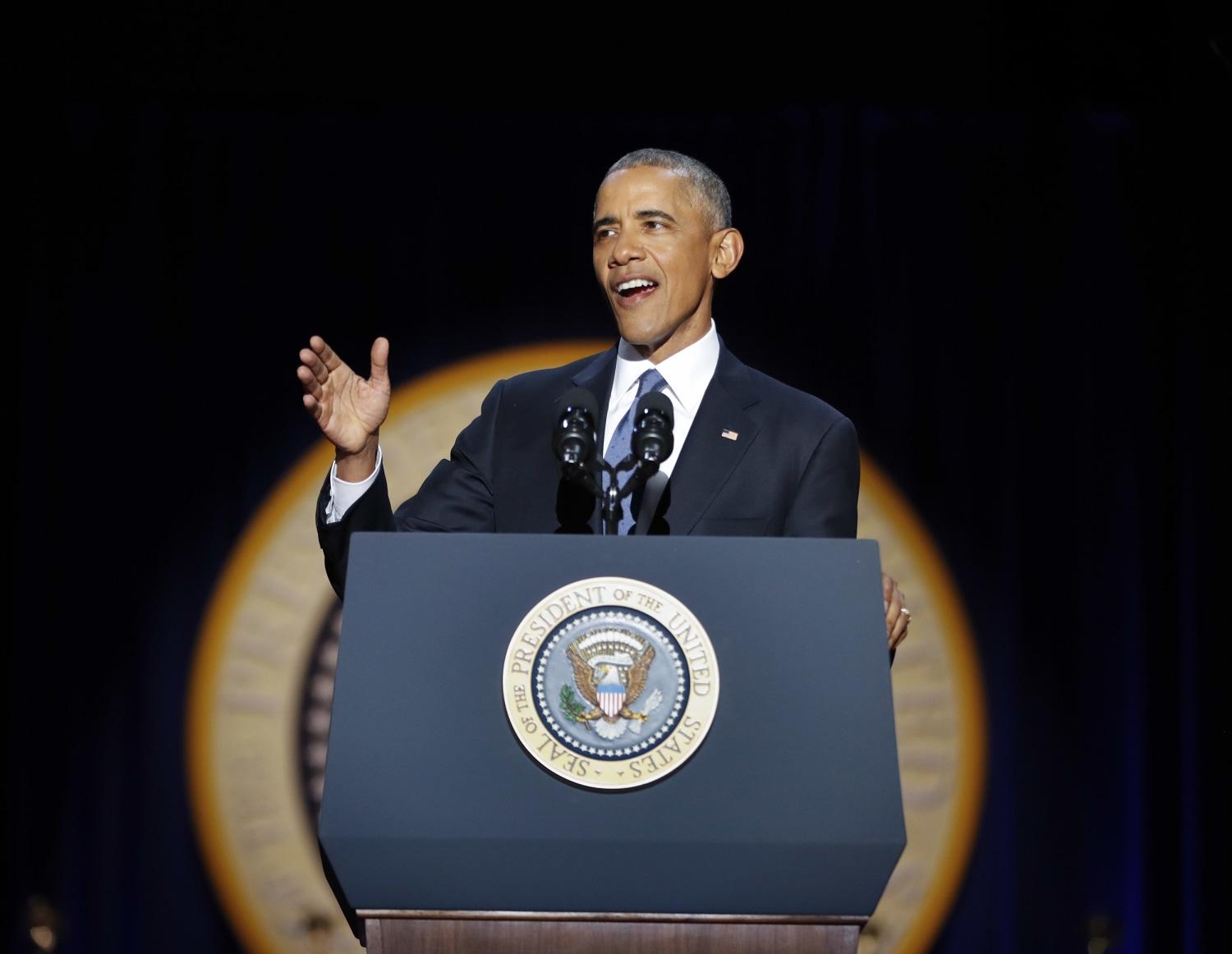
In a season crowded with skirmishes over speech, platform, and power, Barack Obama returned to a familiar refrain, invoking the “heart of democracy” as he weighed in on the controversies surrounding Charlie Kirk and Jimmy Kimmel. The two figures rarely occupy the same sentence-one a conservative organizer, the other a late-night comedian-yet their separate storms have converged into a single question about the rules of the public square: Who gets to speak, who sets the boundaries, and how should institutions respond when rhetoric tests the limits?
Obama’s remarks did not dwell on personalities so much as principles. He framed the dust-ups not as celebrity feuds but as a stress test for civic norms-how consistently rules are applied, how a free society distinguishes criticism from silencing, and whether leaders reward outrage or encourage restraint. This article examines what he said, why it resonated, and what the Kirk and Kimmel episodes reveal about the fragile architecture of American discourse.
Obama addresses civic norms in the Kirk and Kimmel disputes through law, ethics, and precedent
Rule of law sets the outer boundary, but it’s the mix of ethical restraint and living precedent that keeps debate from collapsing into spectacle. In reading the flare-ups around Charlie Kirk and Jimmy Kimmel this way, the former president treats free expression as a civic craft: defend the right, refine the practice, and measure conduct not only by what’s legal, but by what sustains trust. He leans on habits that lower the temperature while raising standards, urging a culture where influence comes with responsibility and criticism comes with evidence.
- Speech with guardrails: protect dissent, reject dehumanization and harassment.
- Process over virality: let courts and verified facts arbitrate contested claims.
- Humor with context: distinguish satire from smear; correct, don’t calcify, mistakes.
- Institutional memory: use past resolutions-apologies, retractions, recusal-to model today’s remedies.
| Lens | Principle | Takeaway |
|---|---|---|
| Law | Rights and due process | Argue hard, adjudicate fairly |
| Ethics | Duty of care in influence | Impact matters as much as intent |
| Precedent | Learned civic habits | Stability through repeatable fixes |
Applied to high-profile disputes, that triad encourages critics to cite sources before spiking a claim, creators to prioritize context over clicks, and platforms to privilege transparency over tribal victory laps. It’s a quiet argument that democratic culture is built in the mundane: publish corrections, separate grievance from proof, and let yesterday’s best solutions-public accountability, proportionate remedies, and clear standards-become today’s compass.

Balancing free expression and harm assessing accountability for influencers, hosts, and platforms
Obama’s appeal to the “heart of democracy” reframes high-profile flare-ups-whether an influencer’s viral provocation or a late-night host’s punchline-as tests of civic muscle rather than tribal contests. The question isn’t who may speak, but what responsibility follows megaphones that can mobilize millions. Free expression isn’t a shield against demonstrable harm; it’s a starting point for scrutiny. A practical standard blends intent, impact, and verifiability, then calibrates response to scale and risk. That means distinguishing satire from deception, critique from incitement, and error from engineered falsehoods-while preserving room for sharp debate and artistic license.
- Intent and knowledge: Was harm foreseeable or reckless?
- Reach and amplification: How quickly and widely did it spread?
- Falsifiability: Can claims be checked against public evidence?
- Remedy and repair: Are corrections, context, or redress offered?
| Actor | Baseline Duty | When Risk Rises | Proportionate Response |
|---|---|---|---|
| Influencers | Disclose, source, avoid incitement | Coordinated deception; targeted harassment | Label, throttle reach, require corrections |
| Hosts | Context, satire signals, invite rebuttal | Ambiguous jokes amid misinformation | On-air clarifications; guest balance |
| Platforms | Clear rules, audit trails, appeals | Rapid, harmful virality | Friction, visibility limits, time-bound removals |
A democratic remedy should be narrow, transparent, and reversible. Influencers like Charlie Kirk wield persuasion that can edge into mobilization; hosts like Jimmy Kimmel operate in a parody-rich arena where tone matters as much as text; platforms adjudicate both at industrial scale. The accountability that follows must be layered: disclose methods, document decisions, de-escalate harm, and defend dissent. In practice, that looks like visible correction paths instead of quiet takedowns, temporary friction instead of blunt bans, and public archives of moderation decisions. The goal isn’t to chill speech; it’s to cool the temperature where it burns, and keep the space where it enlightens.
Transparent moderation in practice audits, appeal windows, and public interest exemptions that uphold fairness
In remarks that treated platform governance as a civic institution, Obama set the Kirk and Kimmel episodes side by side to argue for rules that are visible, reviewable, and consistently applied. He called for independent audits that examine not just outcomes but the rationale behind them, time-bound decisions that don’t leave speakers in limbo, and a clear lane for public interest exemptions when the value of visibility outweighs the risk of harm. The standard, he suggested, is a ledger anyone can read: who flagged the post, which rule was cited, what evidence was weighed, and when each step occurred-supported by redacted case notes that protect privacy while preserving accountability.
- Audits: Third-party reviews of sample cases, including reversals and borderline calls.
- Appeal windows: Fixed periods with escalating review-human, expert, then supervisory.
- Public interest exemptions: Clearly defined criteria for newsworthiness, satire, or civic value.
- Disclosure: Public dashboards with anonymized metrics, error rates, and correction logs.
| Measure | Trigger | Review Clock | Transparency Output |
|---|---|---|---|
| Label | Context gaps | 2 hours | Rule cited + source links |
| Takedown | Clear policy breach | 1 hour | Case ID + rationale |
| Age-gate | Sensitive content | 3 hours | Safety note + duration |
| Public-interest keep-up | Newsworthiness | 4 hours | Exemption criteria + reviewer |
Applied to high-profile speech, this framework doesn’t pick winners; it preserves legitimacy. A Kirk post flagged for policy risk should receive a stamped timeline, access to an appeal window, and a published audit trail; a Kimmel segment with satirical intent should be evaluated against public interest criteria, not celebrity status. When reversals occur, platforms should publish a short correction note and update the case ledger. That mix of auditable process, timely relief, and narrowly tailored exemptions keeps enforcement from becoming arbitrary-turning controversy into evidence, and discretion into documented practice.

Practical next steps for media, campaigns, and citizens to safeguard debate while curbing abuse
Keep disagreement sharp, but the rules humane. High‑profile clashes can energize debate, yet they also tempt dogpiles and dehumanization. To preserve the public square, newsrooms and campaigns can build friction and accountability into their workflows while protecting room for tough critique.
- Media: publish transparent moderation and sourcing standards; add context cards to viral clips; throttle algorithmic boosts on coordinated pile‑ons; train moderators to distinguish critique from targeted harassment; create a fast, visible right‑of‑reply lane; use headline “red‑team” reviews to avoid demeaning frames.
- Campaigns: codify a no doxx/no slur rule; adopt a cool‑off window before fundraising off outrage; set up a de‑escalation flowchart for staff; provide a volunteer toolkit on respectful canvassing and comment hygiene; rate‑limit mass replies from official accounts; document and publish an escalation log for public scrutiny.
Civic power works best when everyone shares guardrails. Citizens can insist on dignity without dulling dissent by using simple habits that elevate substance and starve abuse of oxygen. Small choices-how we amplify, how we report, how we step in-compound into culture.
- Citizens: use steelman + safety (state the strongest opposing point, then set clear boundaries); prefer mute over quote‑tweeting insults; report coordinated harassment and doxxing; practice bystander interventions that check abuse without escalating; amplify corrections and primary sources more than snark.
- All sides: agree on shared “debate oaths” for events and streams; spotlight good‑faith cross‑talk; separate critiques of ideas from attacks on identity; archive receipts and avoid ad‑hoc call‑outs; celebrate changes of mind as civic wins, not defeats.
| Actor | Do | Don’t | Quick Win |
|---|---|---|---|
| Media | Context cards on viral clips | Amplify dogpiles | Headline red‑team huddle |
| Campaigns | Publish conduct code | Fundraise off personal insults | 48‑hour cool‑off policy |
| Citizens | Report targeted abuse | Quote‑tweet harassment | Use steelman + safety |
Final Thoughts
In the end, Obama’s refrain about the “heart of democracy” wasn’t a verdict on Charlie Kirk or Jimmy Kimmel so much as a reminder of what their parallel controversies reveal: a politics braided with entertainment, amplified by platforms that reward heat over light, and a public square where style often outruns substance. By addressing both cases in the same breath, he suggested they are less opposing poles than shared indicators of a system straining under the same pressures-outrage, mistrust, and the temptation to dehumanize.
Whether you see his comments as overdue clarity or cautious fence‑sitting, the challenge he outlined is stubbornly simple: arguing without erasing, disagreeing without despising, and repairing institutions while still demanding more from them. The headlines will move on, as they always do. But if there is a “heart” worth guarding, it beats in quieter places-how we listen, how we verify, how we choose words when the mic is on and when it isn’t. The cases will fade; the test remains.