
The politics of trade are converging with the rhythms of the harvest. President Donald Trump has signaled a fresh meeting with China’s Xi Jinping, framing tariffs as a tool to “help farmers” even as one crop-U.S. soybeans-sits squarely at the center of the standoff. What began as a dispute over leverage and industrial policy has spilled into grain bins and balance sheets, turning soy into a proxy for geopolitical resolve.
The stakes are both global and granular. Commodity traders are parsing every hint of detente, Midwest producers are weighing planting decisions against policy risk, and Chinese buyers are recalibrating sourcing strategies across continents. A breakthrough could reopen a critical export lane; a stalemate could further reroute supply chains and reshape prices. As diplomacy moves from podiums to negotiating rooms, the question is whether tariffs can translate from political instrument to practical relief for the farmers now bearing their weight.
Tariffs aimed at supporting farmers and the evolving economics of US soybean exports
With a high-profile meeting on the horizon, tariff signals are being cast as a lifeline for growers, yet the market math is more nuanced. Targeted levies, exemptions, or quota windows could lift farmgate prices if they steer Chinese demand back toward U.S. cargoes, but the pass-through hinges on basis behavior, ocean freight, and Brazil’s export pace. If policy reduces uncertainty rather than raises costs, exporters can reopen Pacific Northwest lanes to Asia while Gulf loadings navigate river levels and barge rates. Biofuel-driven crush margins and soymeal demand offer a floor, but retaliation risk and currency swings can quickly thin those gains.
- Price transmission: Strongest when basis firms near processors and export elevators; weakest when freight and FX offset futures rallies.
- Logistics watchlist: Mississippi water levels, Panama Canal transit slots, rail rates into PNW, and vessel queues at Gulf.
- Policy guardrails: TRQs, waivers, and enforcement clarity that limit whiplash and keep trade flows predictable.
- On-farm strategy: Layered forward sales, basis contracts near seasonal strength, and storage to capture carry.
| Scenario | Export price | China purchases | Interior basis | Brazil competition |
|---|---|---|---|---|
| Targeted relief | Slightly higher | Modest uptick | Firms 5-15¢ | Eases seasonally |
| Retaliatory snapback | Volatile | Diverted to Brazil | Widens 10-25¢ | Intensifies |
| Status quo | Range‑bound | Mixed | Seasonal | Elevated |
Beyond immediate policy shifts, the arc of U.S. soy economics is shaped by crush margins, global oilseed spreads, and the pull from renewable diesel. Bean oil can stay supported, but meal must clear into feed channels at prices competitive with South America. A firm dollar trims U.S. FOB appeal, while a weaker real and faster Northern Arc loadings pressure offers out of the Gulf and PNW. For producers, the resilient playbook blends policy-aware marketing with disciplined risk tools-align hedge layers to crop progress, flex storage when carry returns, and use options to protect the downside while preserving room for a headline-driven rally.

Signals to watch from a Trump Xi meeting on tariff relief purchase commitments and market access
Watch for whether negotiators signal a path from targeted exemptions to broader tariff unwinds, especially on ag and industrial lines that feed into farm margins. Phrases like “temporary suspension,” “tariff-rate quota,” or “expanded exclusions” would hint at near-term relief for crushers and exporters, while a retroactive refund mechanism would be a surprise tailwind to cash flow. Markets will parse any purchase cadence-quarterly rather than annual targets-plus the mix between state traders and private buyers, which shapes how fast U.S. soybeans move through Gulf and PNW ports.
- Tariff relief: Depth (rollback vs. TRQ), duration (90-180 days vs. open‑ended), and the breadth of HS codes included.
- Purchase commitments: Clarity on volumes (MMT), product basket (soy, corn, sorghum, pork, LNG), and shipment windows aligned with harvest.
- Market logistics: Signals on customs clearance, phytosanitary protocols, and freight prioritization that reduce execution risk.
- Flexibility clauses: Weather, price bands, or demand shocks that allow adjustments without triggering disputes.
Beyond headline numbers, the meaningful tells will be in market access: faster biotech trait approvals, predictable SPS reviews, and clearer pathways for financial services and digital trade. An enforceable framework-transparent reviews, timelines, and proportionate remedies-would reduce policy volatility, while vague snapback language would keep risk premia elevated. Watch for any reference to data-sharing for compliance, which can make purchase pledges auditable without geopolitically charged oversight.
| Signal | Bullish read | Caution flag |
|---|---|---|
| Tariff line | Rollback to pre‑2018 | Short truce + reviews |
| Soybean quota | +10-15 MMT | Seasonal only |
| Regulatory access | Biotech fast‑track | Case‑by‑case delays |
| Enforcement | Transparent panel | Vague snapback |

Price outlook supply chain constraints and credit conditions across the soybean heartland
Markets across the Midwest are poised for choppy trade as tariff headlines collide with seasonal flows and South American competition. Short-term price direction hinges on how quickly export programs revive and whether basis firms at interior elevators, while the forward curve weighs storage costs, carry, and crush plant demand. Watch for shifts in crush margins-particularly the oil share on the back of renewable diesel-to influence bids at processing hubs, even if river and rail bottlenecks keep export bids uneven. Weather risk, river stages, and global currency moves should keep volatility elevated into the next sales window.
- Export cadence: Gulf vs. PNW differentials; pickup depends on freight and China’s near-term appetite.
- Freight and flows: Barge drafts, railcar turns, and truck availability shaping cash basis tone.
- Crush pull: Oil-led margins supporting interior bids; meal demand steady but rationable.
- Curve signals: Flat vs. carry structure guiding on-farm storage and hedge timing.
| Region | Basis Trend | Logistics | Credit Tone |
|---|---|---|---|
| Western Corn Belt | Firm to Steady | Rail tight | Selective |
| Eastern Corn Belt | Steady | Barge variable | Neutral |
| Delta | Seasonal | Gulf congestion | Cautious |
| N. Plains | Wide | PNW capacity | Tightening |
On-farm decisions now pivot on the intersection of supply chain constraints and credit conditions. Elevated operating costs, higher-for-longer interest rates, and stricter lender covenants mean cash flow timing and margin funding matter as much as the flat price. Farmers are leaning on diversified delivery points, pre-arranged freight, and disciplined hedge lines to avoid margin call stress, while merchandisers favor well-collateralized inventory and shorter payment cycles. Expect lenders to emphasize liquidity, input prepayment discipline, and coverage ratios; in turn, prudent operators will balance nearby sales against carry capture, sharpen working capital buffers, and prioritize contracts that align with their logistics reality.

Action plan for growers traders and officials on hedging storage timing and risk management
With US soybeans back in the geopolitical spotlight, build a layered hedge that can flex with tariff headlines and a potential Xi-Trump thaw. Prioritize basis defense near river/Gulf/PNW corridors, and stage futures coverage in thirds around key dates (USDA releases, policy briefings, and export sales). For bins, treat storage as a yield multiplier: preserve quality and optionality with disciplined aeration, moisture control, and grade segregation that keeps premium lots ready for quick shipment when basis snaps. Use options collars to defend downside while leaving room for a diplomatic bounce, and protect liquidity by monitoring margin-to-equity and financing costs.
Growers
- Hedge ladder: 1/3 HTA or futures now, 1/3 post-WASDE, 1/3 on any diplomatic rally; add puts for floor, write calls only against committed bushels.
- Storage timing: Move low-quality grain early; hold top-grade in aerated bins for basis pops tied to export rumors or confirmed China interest.
- Cash flow & risk: Pre-fund margins, align crop insurance with hedge levels, and keep a rule-based stop for adverse moves.
Traders/Merchandisers
- Basis maps: Track river levels, freight spreads, and crush bids; pivot between FOB Gulf and PNW as policy signals shift.
- Spreads & vols: Lean on calendar spreads for carry; own gamma into headline-heavy weeks; monetize volatility decay after events.
- Readiness: Pre-book freight windows and elevate quick-ship capacity when diplomatic meetings are scheduled.
Officials/Ag agencies
- Signal clarity: Publish a transparent tariff/timeline calendar; synchronize with USDA report windows to reduce noise.
- Market plumbing: Ensure export credit lines (e.g., GSM) and inspection staffing are surge-ready on positive breakthroughs.
- Data sharing: Near-real-time basis/export pace dashboards to guide private risk decisions.
Anchor decisions to objective triggers and shorten reaction time. If carry widens, reward storage; if basis strengthens or crush margins jump, release high-grade lots; if policy risk spikes, expand put coverage. Treat the Xi-Trump meeting window as a volatility event: predefine actions for both a détente rally and a setback. The matrix below offers quick cues.
| Market Signal | Action | Lead |
|---|---|---|
| Futures + weather premium | Add 1/3 hedge; sell calls vs. committed | Grower |
| Gulf basis firms | Move top-grade; roll weak lots | Merch |
| Carry widens | Store with quality plan; own spreads | Grower/Trader |
| Volatility spikes pre-meeting | Buy puts; trim delta; hold gamma | Trader |
| Positive China headline | Lift floors partly; ship ready bushels | All |
| Tariff setback | Rebuild floors; defer low-grade | Grower/Official |
In Retrospect
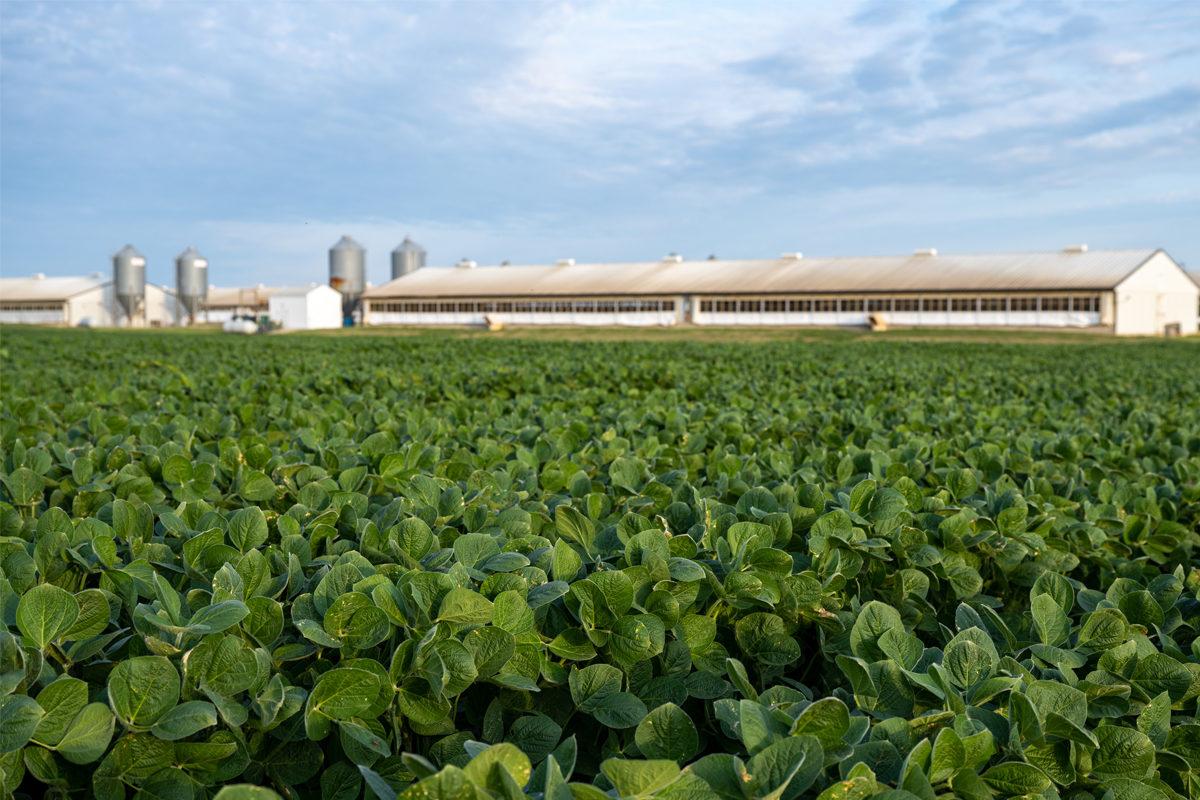
For now, the rows of soy in the heartland wait on something as distant as a handshake half a world away. Tariffs framed as a lifeline could just as easily be a lever, and their value will be measured less by speeches than by purchase orders, shipping schedules, and the basis on the board.
All eyes turn to the upcoming meeting between Trump and Xi, where the next chapter of this trade story may be sketched out. Whether it brings clearer market access, fresh commitments, or simply more uncertainty, the verdict will arrive in contracts signed and cargoes loaded. Until then, the bins stay full, the markets stay watchful, and farmers keep reading the weather-and the headlines.