

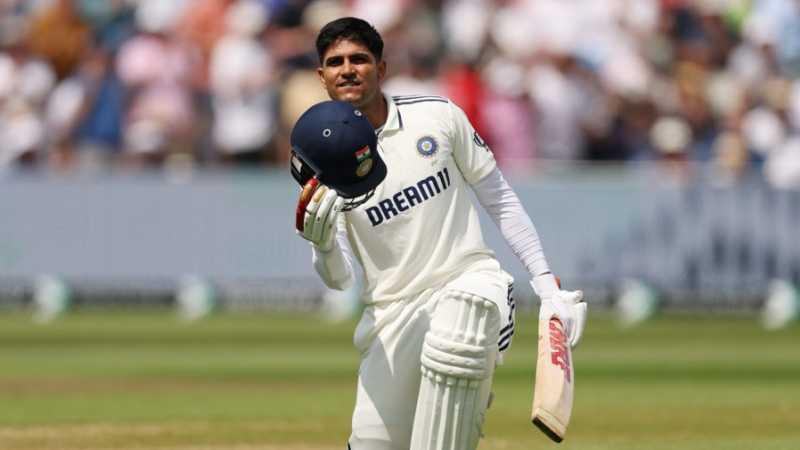
The applause around Shubman Gill has seldom been quiet, but the turning point in his Test story arrived in softer sounds: three phone calls, the tap of keys, the hush of a mind confronting itself. Between a lean patch and a fresh start lay an unusual toolkit for a young batter under scrutiny-uncomfortable conversations, unvarnished data, and a negotiation with ego that every elite athlete eventually faces.
This is not a tale of overnight reinvention. It is the anatomy of a recalibration: how a promising Test career found clarity through targeted feedback, how spreadsheets replaced superstition, and how the pride that fuels elite performance was rechanneled rather than erased. Gill’s redemption arc is less about one innings than about a method-moving from instinct to evidence, from noise to signal, from talent to trust in process.
In the pages ahead, we unpack those three calls, the metrics that mattered, and the mindset shift that followed. The result is a portrait of a modern Test batter learning to balance the bravado of strokeplay with the humility of adjustment-proof that sometimes the most decisive shots are played long before the first ball is bowled.
Three calls that reset red ball plans roles for coach mentor and analyst with clear takeaways
Three conversations reframed the week: a frank check-in with the head coach re-centered discipline around the off stump, a late-night dial to the childhood mentor stripped away vanity strokes, and a clinical session with the team analyst turned gut-feel into measurable choices. Out went the frantic search for highlights; in came compact triggers, a wider guard, and a leave-first mindset that protected the corridor. The net effect was a simple promise: bat time, cash in straight, and let the game come.
- Coach: Rebuilt the pre-ball routine to prioritize stillness, trigger, and leave.
- Mentor: Replaced ego with a two-gear blueprint-survive, then surge.
- Analyst: Mapped dismissal patterns to high-value zones; filtered low-percentage drives.
| Role | Prompt | Tweak | Takeaway |
|---|---|---|---|
| Coach | Trust the leave | Wider guard | Patience earns runs |
| Mentor | Drop the ego | Two-gear plan | Method over mood |
| Analyst | Evidence over instinct | Shot filter | Play % zones |
Implementation looked unglamorous but ruthless: a higher leave rate against fourth-stump, straighter scoring with on-drives replacing flashy cover-punches, and a tempo that flexed only after 60 balls. Wobble-seam was met with soft hands and late decisions; spinners were tested against depth at the crease. The scoreboard followed the process, not the other way around.
- Ball selection: Earn the drive; don’t audition for it.
- Tempo control: Start on survival metrics, switch on match cues.
- Clarity under pressure: One plan per spell; no improvisation until the bowler blinks.

Taming the ego turning intent into percentage play target a 25 to 35 percent leave rate and 2 to 2.5 runs per over in the first hour
Bravery isn’t only boundary-hunting; it’s the discipline to let good balls pass and let the scoreboard breathe on your terms. The recalibrated plan asked for a leave rate around 25-35% and a tempo of 2.0-2.5 runs per over in the first hour-enough to blunt the shine, tire the lengths, and keep the bowler guessing without feeding ego. Three quiet check-ins-coach on shapes, mentor on patience, analyst on patterns-turned ambition into a method: treat the leave as a scoring shot, value singles as pressure valves, and drive only when the seam stops whispering.
- Red ball reads: Play late; leave above the line, not beside it.
- Field-led scoring: Nudge the soft square; ignore the painted off-stump lure.
- Tempo triggers: If RPO < 2 after 6 overs, hunt twos; if > 2.5, double down on leaves.
- Risk filter: No drive on fresh wobble; punish overpitch after three straight good-lengths.
| Phase | Leave % | RPO | Shot Bias |
|---|---|---|---|
| Overs 1-6 | 32% | 2.1 | Deflects > Drives |
| Overs 7-12 | 29% | 2.3 | Rotations > Punch |
| Overs 13-15 | 26% | 2.5 | Selective Drive |
By swapping the vanity of “I can hit that” for the certainty of “I don’t need that,” intent turned measurable: leaves set the angle, singles set the mood, and the rare full ball paid the rent. In that corridor between pride and patience, the numbers became a habit-percentage play first, flourish later-and the first hour stopped being a risk to survive and became a platform to own.

Data that moved the needle ball tracking heat maps seam angles and matchups translated into session goals
Numbers, not narratives, set the tone: ball-tracking heat maps shaded the danger zones he kept flirting with, and the seam-angle clusters told a harsher truth-early-innings wobble from right-arm over was drawing him across the line. Matchup splits amplified the pattern against the left-arm angle. Instead of generic “play late” clichés, each data slice morphed into a session goal: traffic-light cues for leave, defend, and score. The new routine lived in 12-18 ball blocks, with a scoreboard for control percentage, leave discipline, and boundary restraint; the compass was simple-red: leave, amber: smother, green: cash in.
- Heat-map red zones → fourth-fifth stump “no swing, no drive” rule for the first 30 balls.
- Seam-angle wobble → under-eyes, straight-bat defense; bat path measured against off-stump shadow.
- Matchups (L-arm around) → micro-trigger across off, soft hands to third, zero chase outside the eyeline.
- New ball burst → 70% leaves in corridor; scoring only when length over-pitches.
- Set batsmen phase → rotate on length, drive only with stable seam axis; pre-call the scoring zones.
The net became a lab. A scrambled-seam machine fed uncertainty; bowlers hunted fourth stump by design; a quiet metronome tracked tempo between balls. Each block ended with a control score and a false-shot count, and the constraints did the coaching-no prize for pretty, only for choices. By the week’s end, the dashboard told the story he wouldn’t say aloud: fewer chases, later contact, cleaner exits from the danger lane. The results weren’t a montage; they were rows in a table.
| Session Goal | Data Cue | Target | Outcome |
|---|---|---|---|
| Leave Discipline | Heat map: 4th-5th stump | 65-75% leaves (first 30) | 72% achieved |
| Late Defense | Wobble seam (1-3°) | Under-eyes contact | 83% clean blocks |
| Strike Rotation | R-arm over, point deep | 1 single/8 balls | 1 in 7 balls |
| Shot Selection | Stable seam, full length | Drive only “green” balls | 2/2 risk-free |
| False-Shot Rate | All matchups | < 12% per block | 10.4% avg |

Next steps drills cues and metrics to sustain Test returns two trigger options a still head and an 85 plus control percentage
From here, the blueprint is pragmatic: lock in two match-ready triggers and practice them until automatic. Option A is the still-head cue-no press, feet under the eyes, bat path straight-deployed on fresh pitches, high seam movement, or hostile spells. Option B is the 85+ control cue-a data-led green light to expand-kicked in once the rolling control percentage is ≥85 across the last 18 balls. Anchor this with compact, repeatable work: micro-balance checks, vision-first leaves, and a daily ego audit that keeps shot ambition trailing the ball’s message, not leading it.
- Still-Head Rail: Hit 60 throwdowns with a string/rail above the eyes; any cap-tilt = restart the set.
- 85% Ladder: Three blocks of 24 balls; log control %. Only open up if the block ends at ≥85.
- Leave-to-Score Game: 2 runs for a judged leave, 1 for a soft single; boundaries worth 0 until over 30 balls.
- Two-Trigger Rehearsal: Alternate 12 balls of still-head (no press) with 12 of soft-press; call the trigger aloud before stance.
- Wobble-Seam Vision: Colored-seam balls; name seam tilt pre-contact to bias playing late.
- Three-Call Debrief: Post-session check-in-coach (mechanics), analyst (numbers), senior pro (options)-to keep ego in orbit around data.
Make the scoreboard boring and the decisions bright. Track a rolling control window, false-shot %, and a simple head-still index (coach phone on tripod; any frame with ear-line drift beyond hat brim = fail). If control dips below 85 for a full over, revert to the still-head trigger and a leave-first plan. If it sits above 90 for 18-24 balls with low false shots, unlock square and straight drives. Review after each net, after each day, and after each Test-same cadence, same questions, no narratives without numbers.
| Metric | Target | Window | Adjustment |
|---|---|---|---|
| Control % | ≥ 85 | Last 18 balls | Below 85: switch to still-head, shrink scoring zones |
| False-shot % | ≤ 12 | Per over | Two in an over: leave more, later contact |
| Leave Ratio | ≥ 30% | First 30 balls | Under 30%: widen off-stump judgement |
| Head-still Index | Pass ≥ 9/10 | Daily drill | Fail: downgrade trigger, re-run rail set |
| Rotation Rate | 1.5-2.5 rpo | Overs 6-20 | Low: hunt safe singles; high: park the big drive |
The Conclusion
In the end, redemption looked less like a revelation and more like a recalibration. Three phone calls didn’t rewrite Shubman Gill’s talent; they reoriented it-nudging his intent, trimming his impulses, and anchoring his choices. Ego, often made the villain, became an engine once it accepted a steering wheel. Data, so easily fetishized, became useful when it stopped shouting and started guiding. Between those two, a batter found his middle path.
What that yields over a season or a career remains open, as it should. Test cricket keeps the receipts: no algorithm pads an average, no reputation widens the gap between bat and pad. But for now, the conversation between instinct and evidence sounds productive. The next examination arrives with a new ball and a different field, and the margin for error remains austere. If there’s a lesson worth carrying forward, it’s this: the method is not a destination but a dialogue-one that might begin with a ringtone and end, briefly, in the middle of a quiet, convincing score.